
The Week In Real Estate: 5 September 2026

The information in this article is provided by Hotspotting and is reproduced here with permission.



This week's Federal Budget has reset the rules for property investors, and the ripple effects will be felt across the market for years to come. From 1 July 2027, negative gearing will be limited to new builds only, and the existing 50% Capital Gains Tax discount will be replaced with cost-based indexation plus a 30% minimum tax on net capital gains. Investors who purchased existing properties before 7:30 pm on 12 May 2026 retain their current entitlements until they sell, but anyone planning future purchases will need to rethink their approach.
PIPA chair Cate Bakos put it plainly: "We'll see a decline in the number of investors post this decision." That view is already reflected in sentiment data, with the Q1 2026 APIM Property Sentiment Report showing a subtle but meaningful shift away from detached houses toward alternative property types, as investors begin to recalibrate around the new landscape.
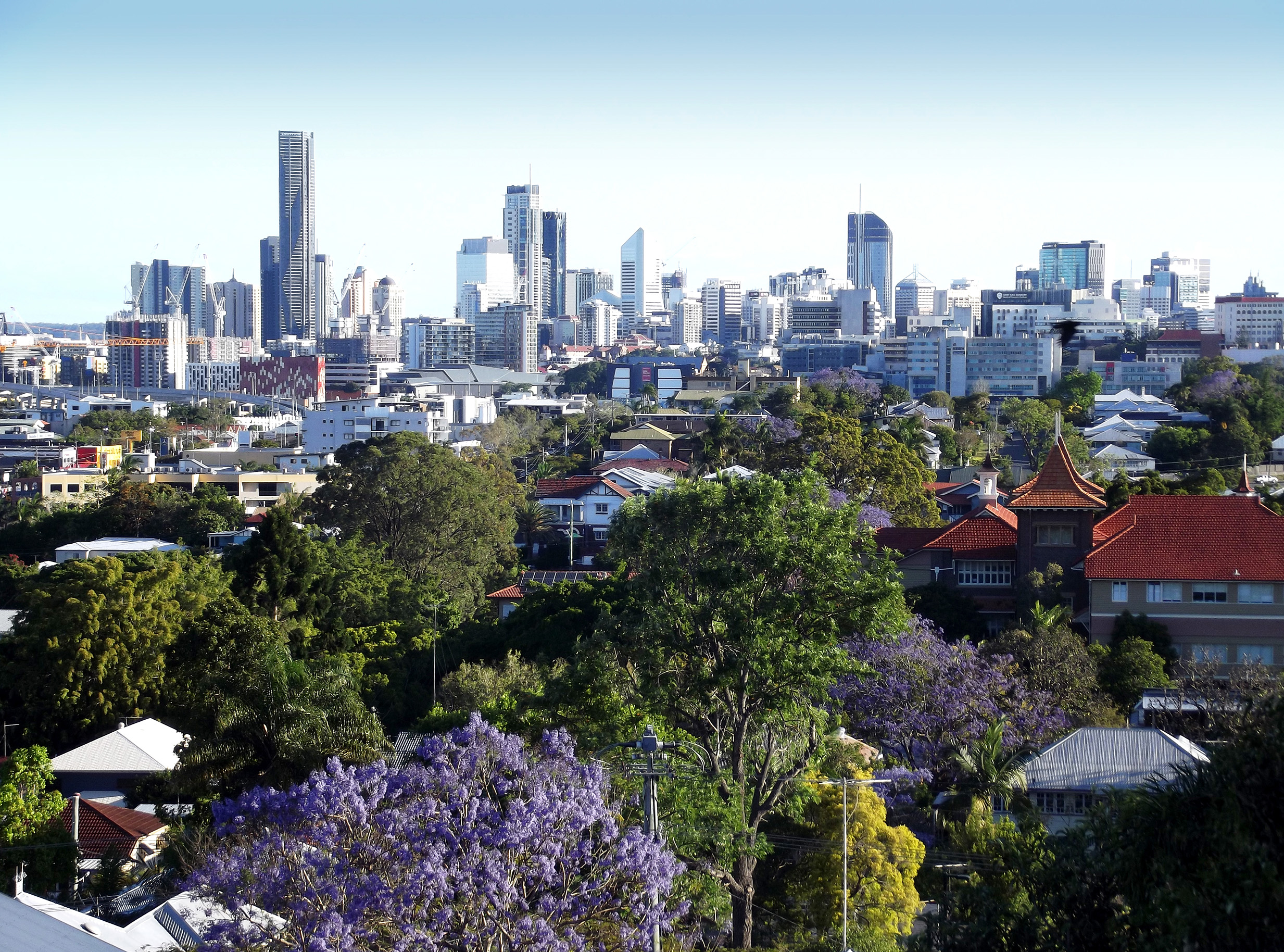
Queensland, for its part, remains the state investors rate most highly, with around a third of respondents nominating it as the top market for the next 12 months, ahead of Victoria at 22% and New South Wales at 19%.
What's notable is that despite this uncertainty at the investor level, the broader market shows little sign of slowing. Cotality data shows almost 560,000 properties changed hands nationally in the 12 months to April 2026, totalling $576.5 billion in sales, up 5% year on year. Regional areas are outperforming capitals with an 8.7% uplift in volumes, and the median time on market has tightened to 27 days, down from 29 days a year ago.
Buyers are stretching to keep up. Two-thirds of existing borrowers have cut discretionary spending to manage their repayments, and four in five prospective buyers are making similar sacrifices to save a deposit. Nearly 300,000 Australians have now used the federal government's 5% Deposit Scheme since 2020, a figure that underscores just how much structural support the market requires to keep first-timers in the game.
On the supply side, build-to-rent is emerging as a genuine part of the answer. Australia's BTR pipeline has grown to 51,000 apartments worth $40 billion, up from 39,300 apartments a year ago, with more than 46,000 units expected to be in operation by 2029. As BDO advisory partner Luke Mackintosh noted, "Build-to-rent is no longer a concept story. It is an operating, income-producing asset class delivering real homes and stronger communities."
The policy changes announced this week will reshape investor behaviour, but the fundamentals driving demand, population growth, tight supply and a chronic shortfall of housing, remain firmly in place.
Johnson Real Estate covers sales and rentals across South East Queensland. Call 1800 SELL SMARTRE, or email sellsmartre@johnsonre.com.au.





























.jpeg)