The Week In Real Estate: 12 September 2026

The information in this article is provided by Hotspotting and is reproduced here with permission.


Queensland homeowners are leading a national surge in renovation activity, with NAB data showing a 25% increase in renovation loans across the state over the past twelve months. That outpaces every other jurisdiction and sits well above the national average of 16%. Western Australia recorded the second highest growth at 17.9%, followed by South Australia at 15%, while Victoria and New South Wales both came in just above 10%. NAB executive home lending Denton Pugh cautions that materials costs remain a variable to watch, recommending that renovators plan ahead, build in buffers, focus on easy-to-source materials, and prioritise upgrades that reduce ongoing household costs.
New analysis from property app Homer has found that some homes are selling for up to 70% more than their listed price guides, with final sale prices exceeding the original guide by as much as $100,000 in Brisbane over the six months to April. The research compared published price guides against actual sale prices across major cities. Homer CEO Henry Pedersen says buyers should still research the market thoroughly and treat price guides as a starting point rather than a ceiling. Separately, PropTrack data shows there are 16 markets nationally where every sale in the twelve months to June 2026 was above the asking price.
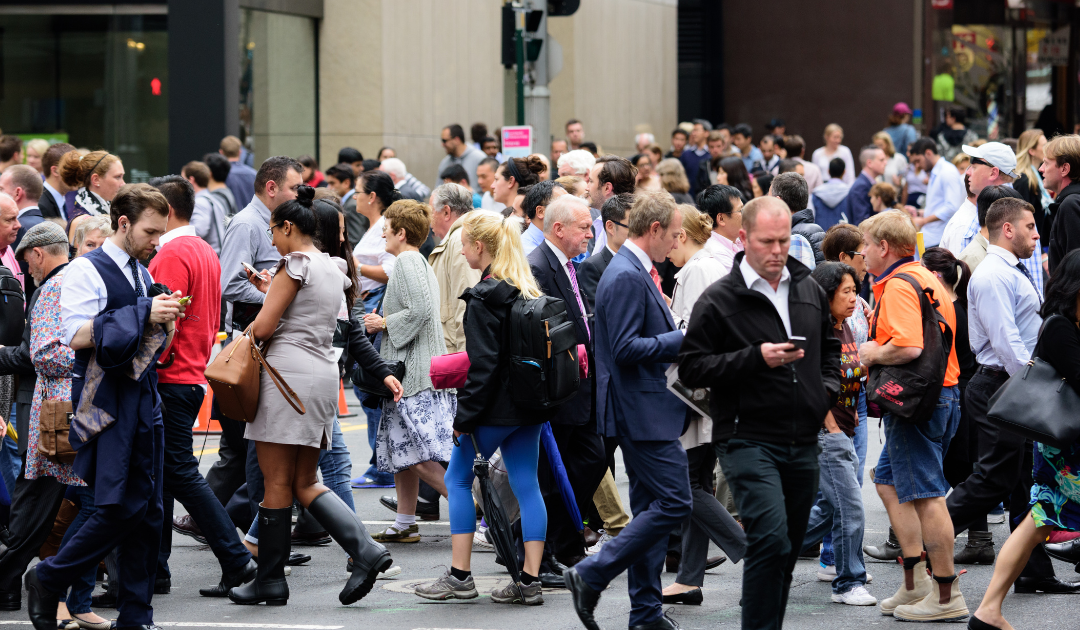
Australia's population has crossed 28 million, a milestone that underscores the structural demand underpinning the country's housing markets. The most recent million were added in under three years, driven largely by migration. ABS forecasts now put the 30 million mark in sight by 2031, well ahead of earlier projections. Queensland recorded population growth of 1.7% in the year to October 2025, matching Victoria and sitting behind only Western Australia at 2.2%. That sustained population growth continues to translate into underlying demand for housing across South East Queensland.
There is a measure of relief emerging for renters, with PropTrack data showing median rents declined in 311 house markets and 154 unit markets nationally in the twelve months to May 2026. In Queensland, rents eased in 40 house markets and 29 unit markets. REA Group senior economist Anne Flaherty notes that rental demand remains concentrated in inner and middle suburbs, which means outer and regional markets where supply is tighter are less likely to see the same softening. The broader picture remains one of resilience for property owners, with the rental market still offering solid returns across most of South East Queensland.
Building approvals fell 3.4% in April to 16,710 nationally, following a 10.5% drop in March. Despite the consecutive monthly declines, total approvals remain 10.2% higher year-on-year, and Queensland bucked the national trend with a modest 0.3% rise for the month. Higher-density approvals showed resilience with apartment approvals up 9%. HIA senior economist Tom Devitt flagged that international instability, recent budget announcements, and interest rate movements are all likely to shape approvals in the second half of the year. He emphasised the role government can play in reducing the cost of delivering new homes to market if the country is serious about addressing the supply shortfall.
Johnson Real Estate covers sales and rentals across South East Queensland. Call 1800 SELL SMARTRE, or email sellsmartre@johnsonre.com.au.





























.jpeg)