




The Week In Real Estate: 5 September 2026

The information in this article is provided by Hotspotting and is reproduced here with permission.



The shift out of the capitals is gathering pace, and South East Queensland is leading the way. New Regional Movers Index data shows almost four people are now moving to the regions for every three heading back to the cities, with capital-to-regional moves making up 11.9% of all internal migration in the March quarter, the highest level the index has ever recorded. The Sunshine Coast was the most popular destination in the country, while Toowoomba posted the strongest annual growth in net migration of any region nationally, up a remarkable 236.4%. Regional Australia Institute chief executive Liz Ritchie said the figures show exactly where growth pressure is building, helping governments, investors and communities plan ahead for housing, infrastructure and services. For SEQ, it is a clear signal that demand across our regional corridors is only strengthening.
The wider market is settling into a more balanced rhythm, though Queensland remains firmly among the standouts. National price growth paused in May, yet Brisbane values are still sitting 16.4% above year-ago levels, behind only Perth among the major markets. Buyers in Sydney and Melbourne now have more choice as listings climb above typical levels, but stock remains tight across Brisbane, where strong demand continues to support prices. With well-presented homes still selling quickly in the better-performing markets, conditions across South East Queensland continue to favour sellers who come to market prepared.
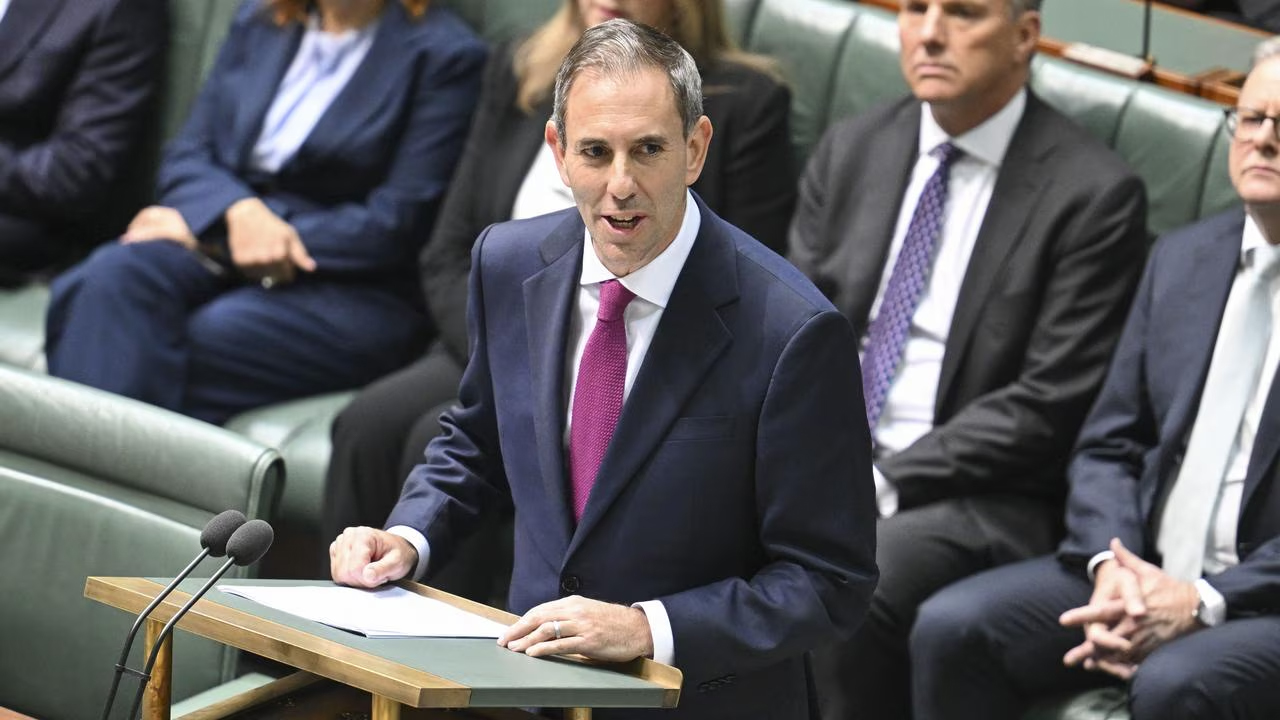
On the policy front, the housing industry is pushing for a broader definition of “new builds” under the government’s proposed tax changes, arguing it should capture granny flats, knockdown rebuilds, dual occupancies and major renovations rather than only brand-new dwellings. The call follows Treasurer Jim Chalmers’ decision to extend consultation on how new housing investment exemptions will be defined. Master Builders Australia warned the reforms still do not go far enough to address the shortage, while the Housing Industry Association welcomed the chance to broaden the rules and unlock more housing options. For SEQ owners weighing up an extension or a rebuild, it is a debate worth watching closely.
The government has also confirmed several carve-outs to its proposed tax changes following industry feedback. Prime Minister Anthony Albanese confirmed that genuine testamentary discretionary trusts, widely used for inheritance and estate planning, will be exempt from the proposed 30% minimum tax. Access to small business capital gains tax concessions has been expanded as well, with the turnover threshold lifted from $2 million to $10 million, a move the government says will allow 98% of Australian businesses to qualify. A new concession for innovative start-ups is also being developed. The adjustments suggest some willingness to refine the legislation before it is finalised.
Finally, anyone considering buying residential property through a self-managed super fund may have only a limited window to act. Under reforms agreed between Labor and the Greens, future limited recourse borrowing arrangements for residential property inside SMSFs would be banned, removing the main way these funds currently borrow to buy. Industry experts note that while SMSFs could still invest through outright purchases or ungeared trusts, many funds may not hold enough capital to buy without borrowing. Investors across South East Queensland who have been weighing an SMSF purchase may want to review their options before the rules are locked in.
Johnson Real Estate covers sales and rentals across South East Queensland. Call 1800 SELL SMARTRE, or email sellsmartre@johnsonre.com.au.







































.jpeg)


