



The Week In Real Estate: 5 September 2026

The information in this article is provided by Hotspotting and is reproduced here with permission.


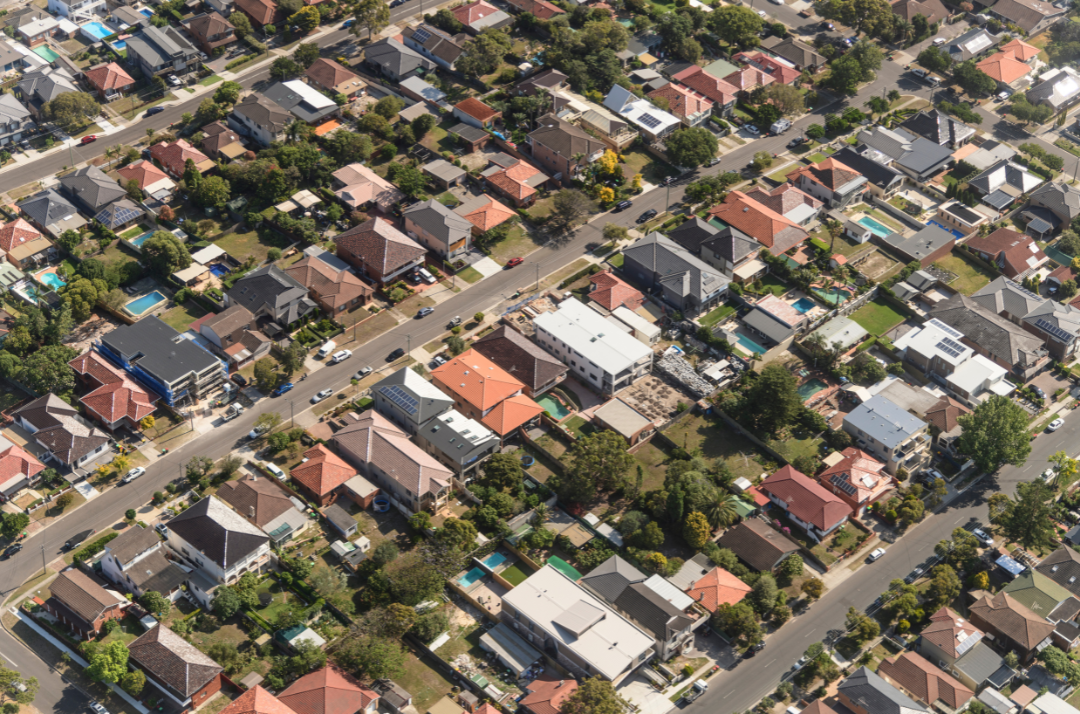
Australia’s short-term rental sector is continuing to grow at the expense of long-term renters, with new research showing listings climbed more than 10% over two years to reach 174,558 by the end of 2024. The University of Sydney study, commissioned by the Australian Housing and Urban Research Institute, found the market is increasingly dominated by professional operators – almost 100,000 listings are now controlled by fewer than 20,000 entities. High concentrations of short-term rentals are pushing up rents and house prices in tourist hotspots and major cities, and governments have been slow to respond. Brisbane City Council recently shelved its plans to regulate the industry, while South Australia and the City of Sydney are progressing their own measures.
Lending activity took a breather in the March quarter, with new loan numbers down 6.2% – owner-occupier loans fell 6.9% and investor loans 5.3%. The broader picture remains healthy, with total new home loans 8.6% higher than a year ago and the value of new lending up 18.5% over the same period. The average loan size has climbed to $724,415, up 9% year-on-year, which ABS head of finance statistics Dr Mish Tan says is consistent with ongoing price growth across Western Australia, Queensland and South Australia. First home buyer activity also eased during the quarter, with 1,519 loans approved compared to 1,945 the quarter before.
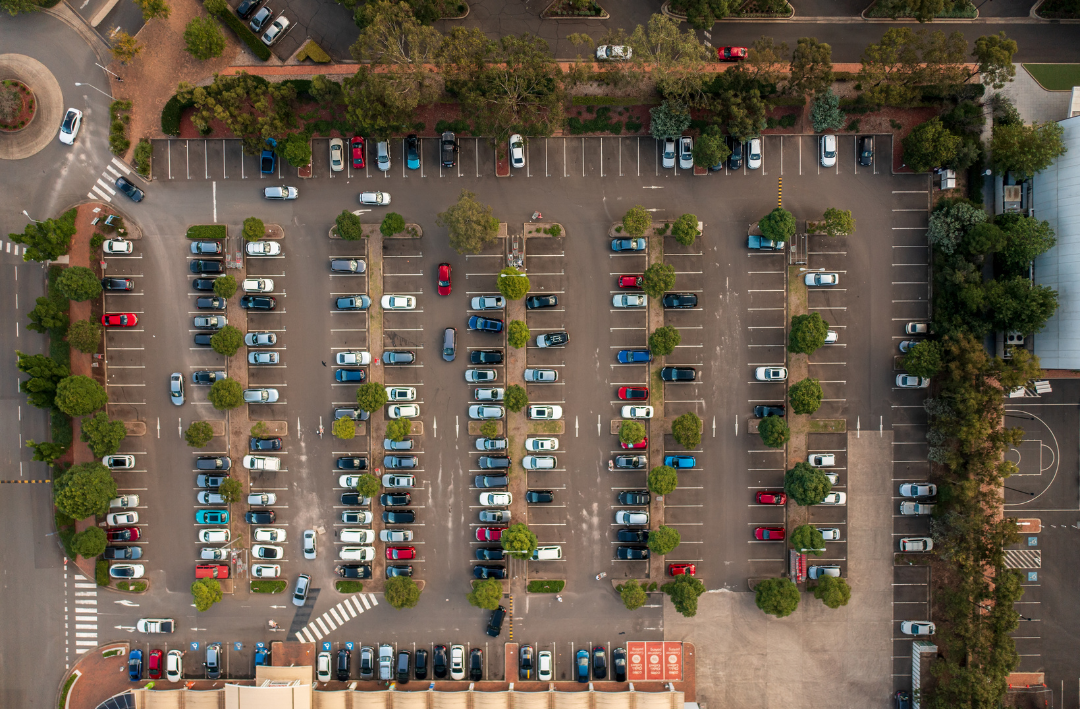
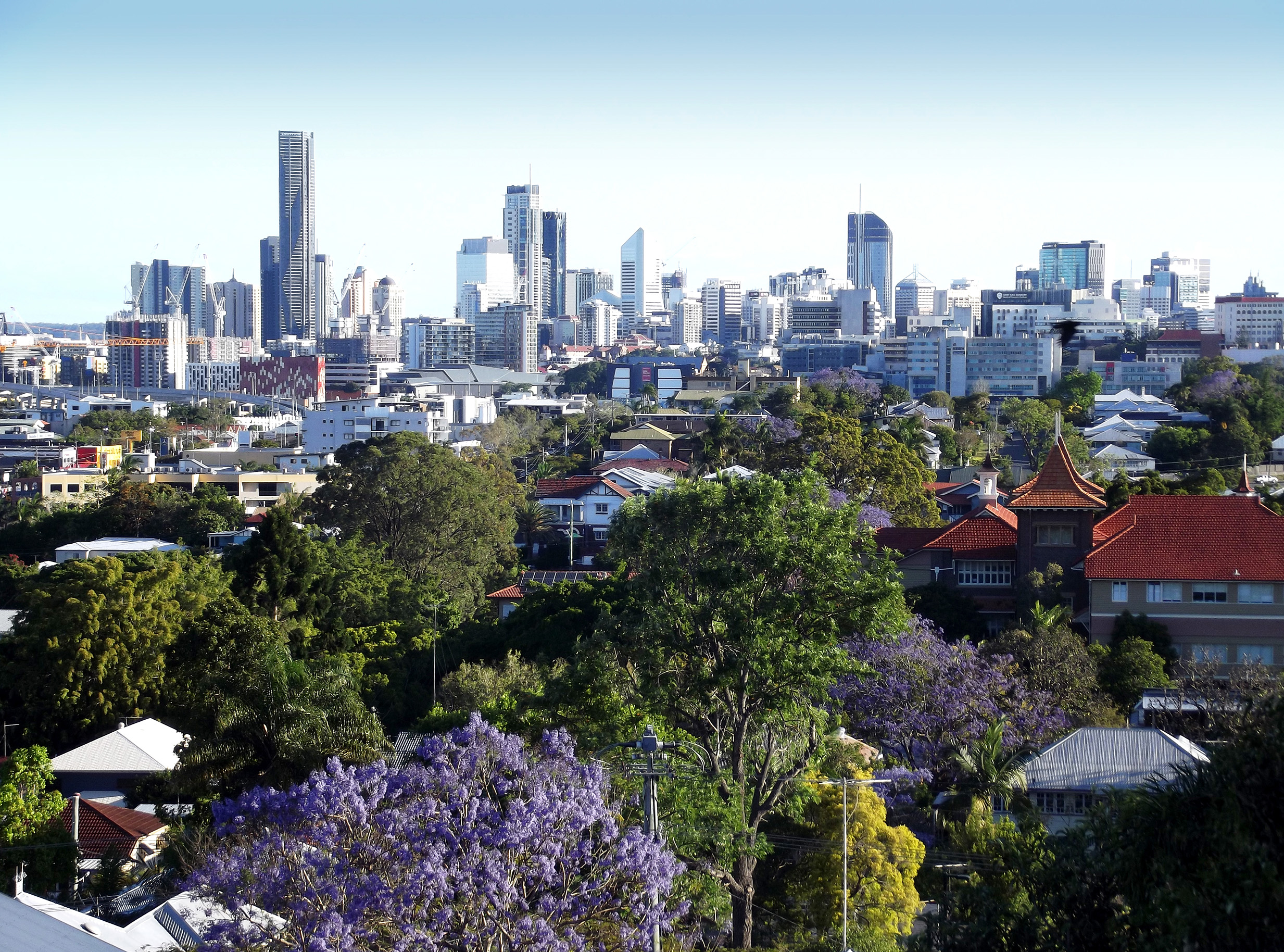
Mandatory car parking requirements could be quietly inflating apartment prices far more than buyers realise. New analysis from the Grattan Institute finds required off-street parking adds $113,000 to the cost of a typical two-bedroom Brisbane apartment – the highest premium of any capital city, ahead of Sydney ($70,000) and Melbourne ($62,000) – despite around 40% of studio and one-bedroom apartment households not owning a car. With up to 40% of car spaces sitting unused, the Institute estimates current rules represent more than $1 billion in wasted construction nationally. Chief executive Aruna Sathanapally says removing parking minimums would lift what she calls “a handbrake on new housing” and is urging state and local governments to act.
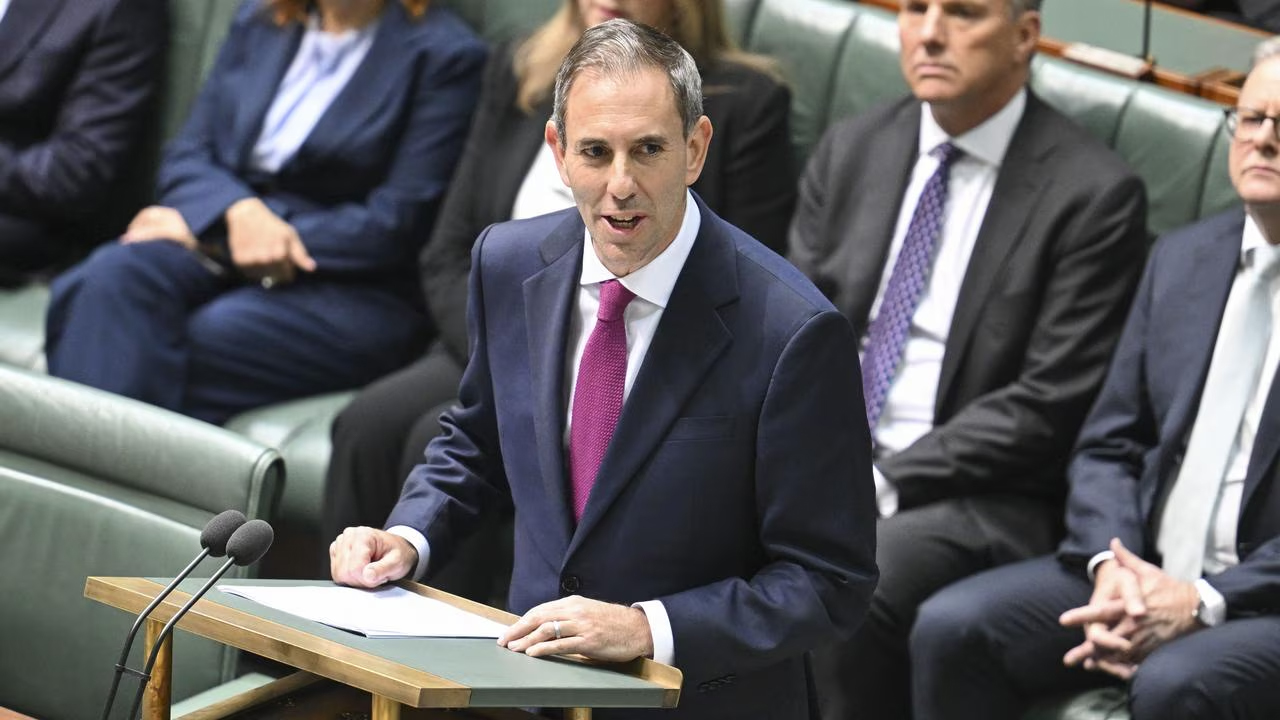
Federal Government changes to capital gains tax and negative gearing could quietly redirect investor attention toward commercial property. With the tax benefits of residential investment becoming less attractive, higher-yielding commercial assets – particularly retail, industrial, social infrastructure and office properties on long leases – are drawing growing interest. Both JLL and Charter Hall anticipate a meaningful shift in investor behaviour. Charter Hall chief executive David Harrison points to lower income returns in residential property and reduced negative gearing benefits as the catalyst. Commercial property remains exempt from the negative gearing changes, though the capital gains tax adjustments still apply.
Johnson Real Estate covers sales and rentals across South East Queensland. Call 1800 SELL SMARTRE, or email sellsmartre@johnsonre.com.au.






























.jpeg)


