



The Week In Real Estate: 5 September 2026

The information in this article is provided by Hotspotting and is reproduced here with permission.


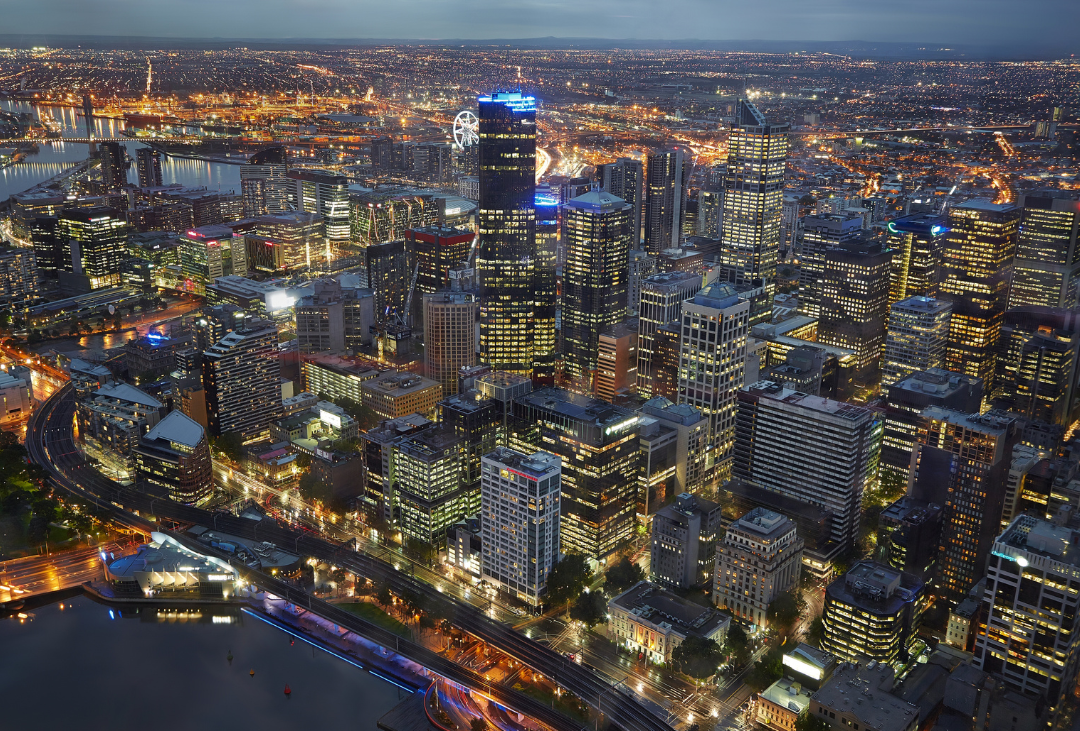
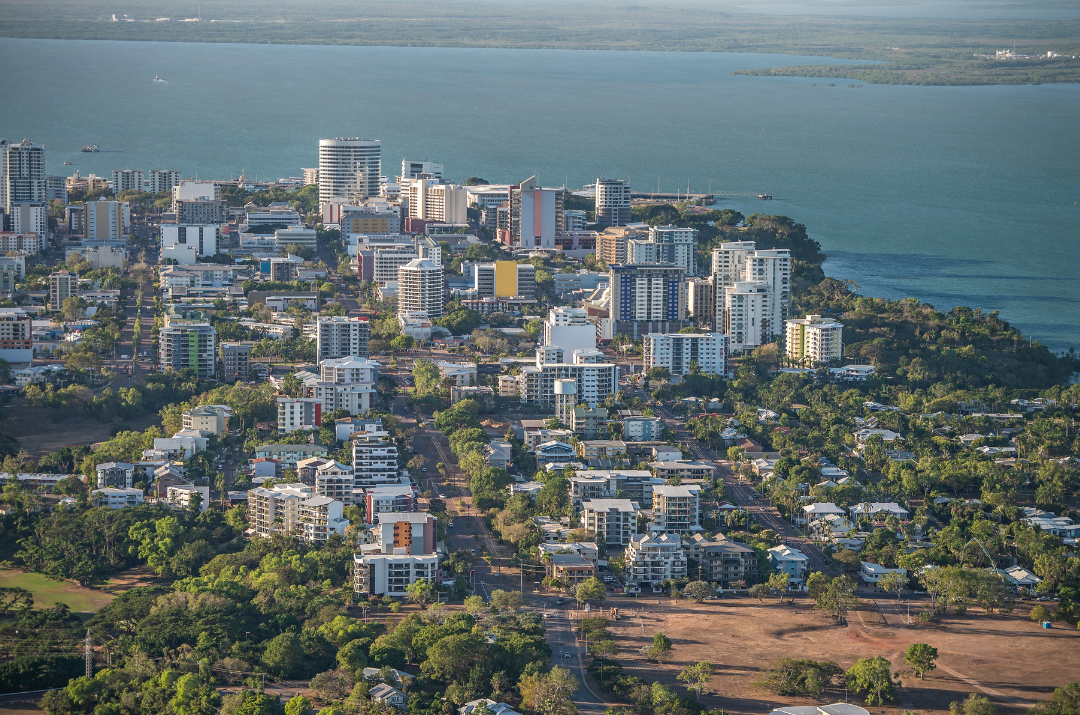
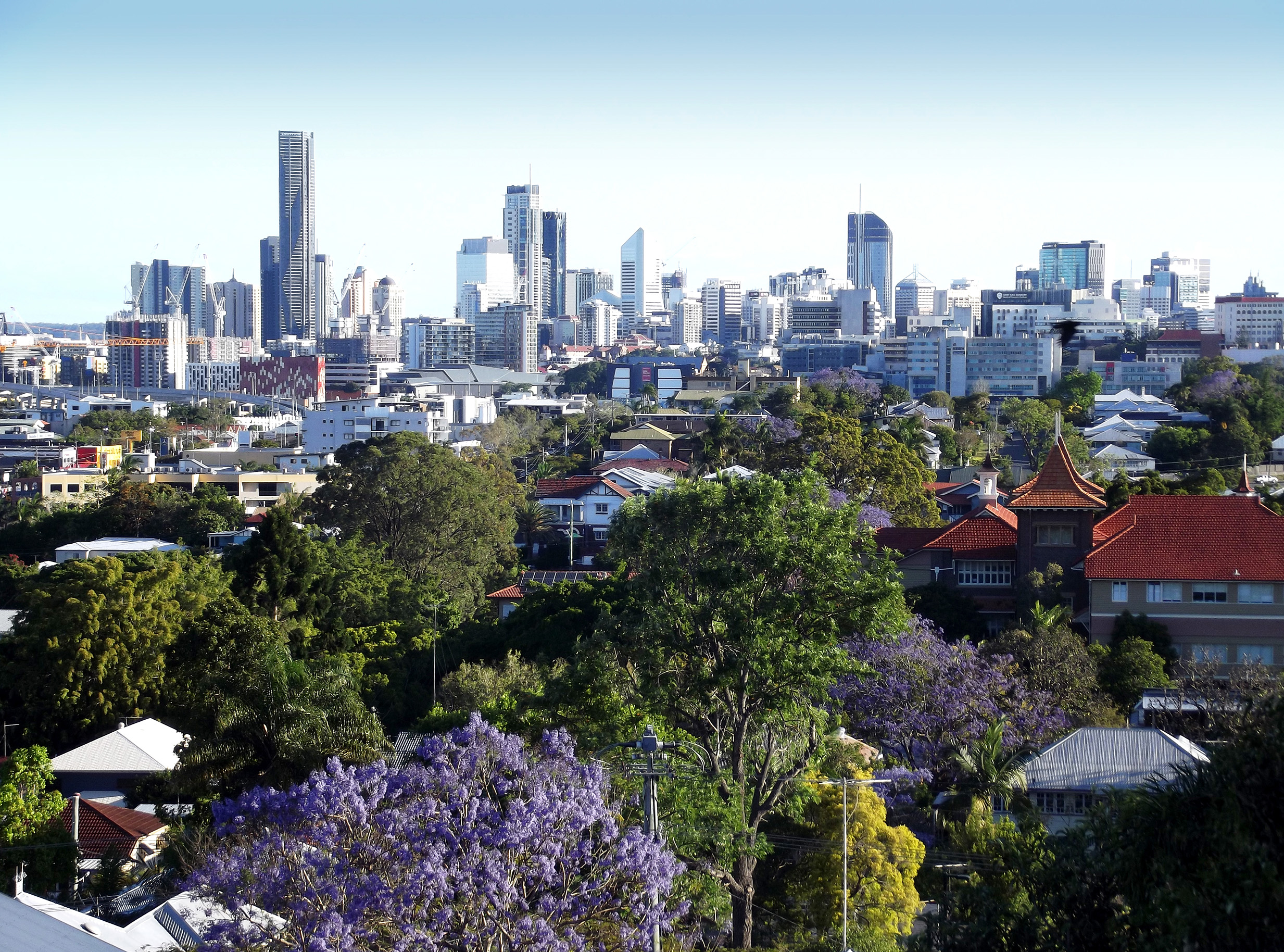
Australia’s smaller capitals have outperformed Sydney and Melbourne over the past year, and Brisbane is firmly among the leaders. PropTrack data shows Brisbane dwelling values rose 16.4% over the 12 months, behind only Perth at 20.6% and Darwin at 17.6%, and ahead of Adelaide at 13.4%. By contrast, Sydney managed just 2.3% and Melbourne only 0.3%.
There are signs the pace is easing. PropTrack senior economist Angus Moore notes growth has slowed over the past month, and Cotality research director Tim Lawless says the housing cycle is weakening across most markets. “We are continuing to see multispeed conditions across Australia’s housing sector, with Perth and Melbourne at opposite ends of the spectrum,” he says. Lawless adds that more affordable markets remain the most resilient, even as their growth softens too. For South East Queensland buyers, Brisbane’s double-digit gains underline how far the region continues to lead the southern capitals.
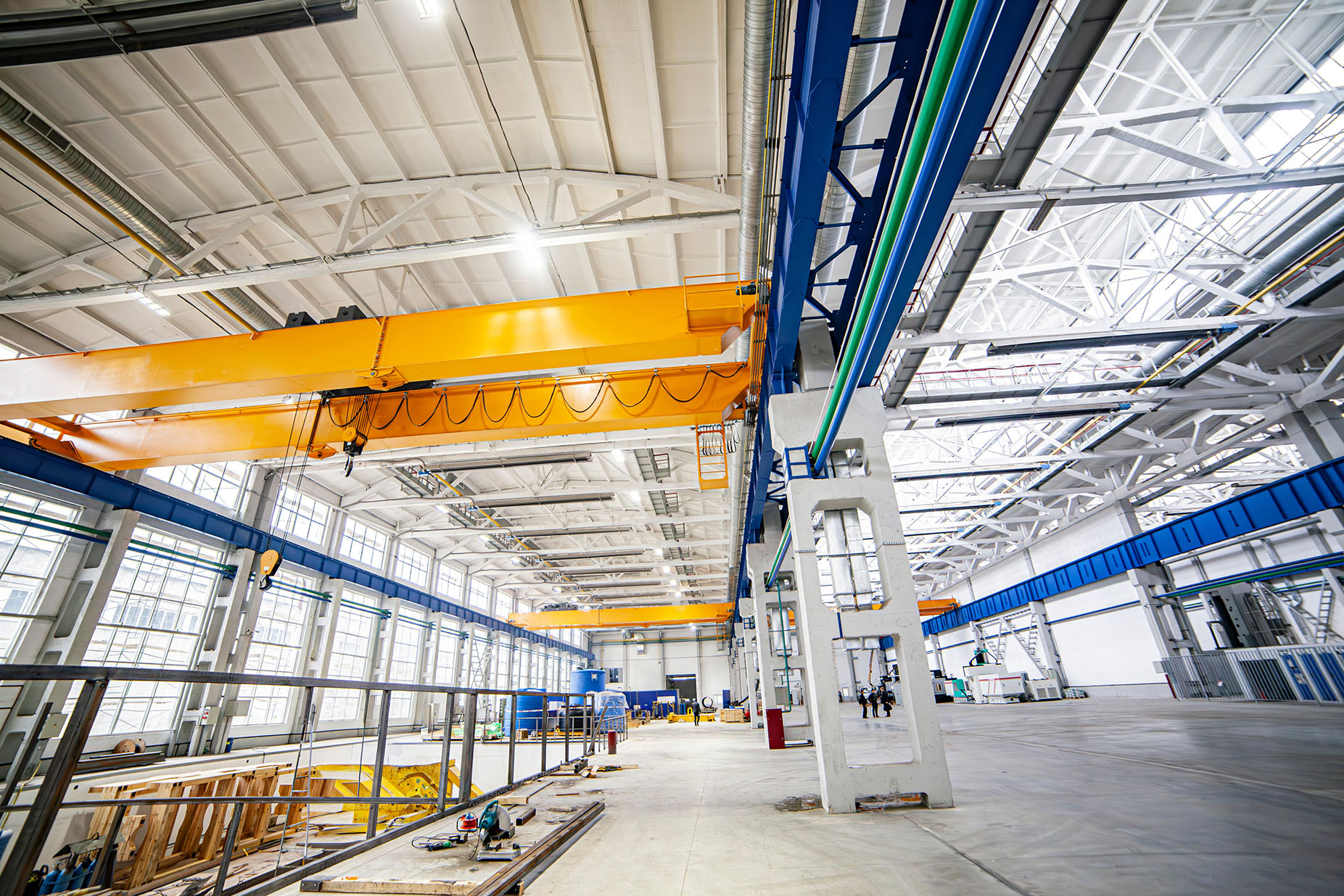
On the supply side, the Federal Government is backing prefabricated construction to help meet national housing targets. Housing Minister Clare O’Neil has announced a certification program for prefabricated homes, pointing to countries such as Sweden, where 80% of homes use some prefabrication compared with around 5% in Australia. The Government will commit $40 million to help states and territories trial System 600, an open-source platform that standardises components such as wall panels, bathroom pods and facades so they can be manufactured off-site and assembled on-site quickly. A national voluntary certification scheme will simplify approvals under the National Construction Code. Future Building Initiative director Duncan Maxwell says the move has the potential to accelerate housing delivery, reduce costs and strengthen domestic manufacturing.
Buyers are also gaining more options as listings rise. New data shows listings across the combined capitals are 2.6% higher than a year ago, led by Sydney (up 8.5%), Melbourne (7%), Adelaide (6.8%) and Canberra (5%). Brisbane is one of the markets bucking the trend, with listings down 0.9%, while regional Australia is tighter still, with combined regional listings down almost 10% year on year. More choice has nudged vendor discounting higher in some markets, with the median across the capitals rising from 2.9% to 3.1%. Even so, Brisbane sellers remain among those getting closest to their asking price, with discounting of just 2.9%, a sign that tight stock and disciplined pricing continue to favour South East Queensland vendors.
Looking ahead, major industry groups warn rents could rise well beyond Government forecasts following changes to property investment taxes. Master Builders Australia, the Property Council of Australia and the Real Estate Institute of Australia have released modelling suggesting the Budget’s housing measures will lift rents by $9 a week, against the Government’s $2 estimate. Research platform FoundIt goes further, predicting increases of up to $50 a week in some locations within 12 months, driven by existing rental momentum, supply shortages and investors raising rents to recoup costs. REA Group senior economist Angus Moore cautions that limiting negative gearing and the capital gains discount to new builds may fail to add rental supply where it is needed most. For South East Queensland tenants and investors alike, rental pressure remains a key theme to watch.
Johnson Real Estate covers sales and rentals across South East Queensland. Call 1800 SELL SMARTRE, or email sellsmartre@johnsonre.com.au.




























.jpeg)


