



The Week In Real Estate: 5 September 2026

The information in this article is provided by Hotspotting and is reproduced here with permission.


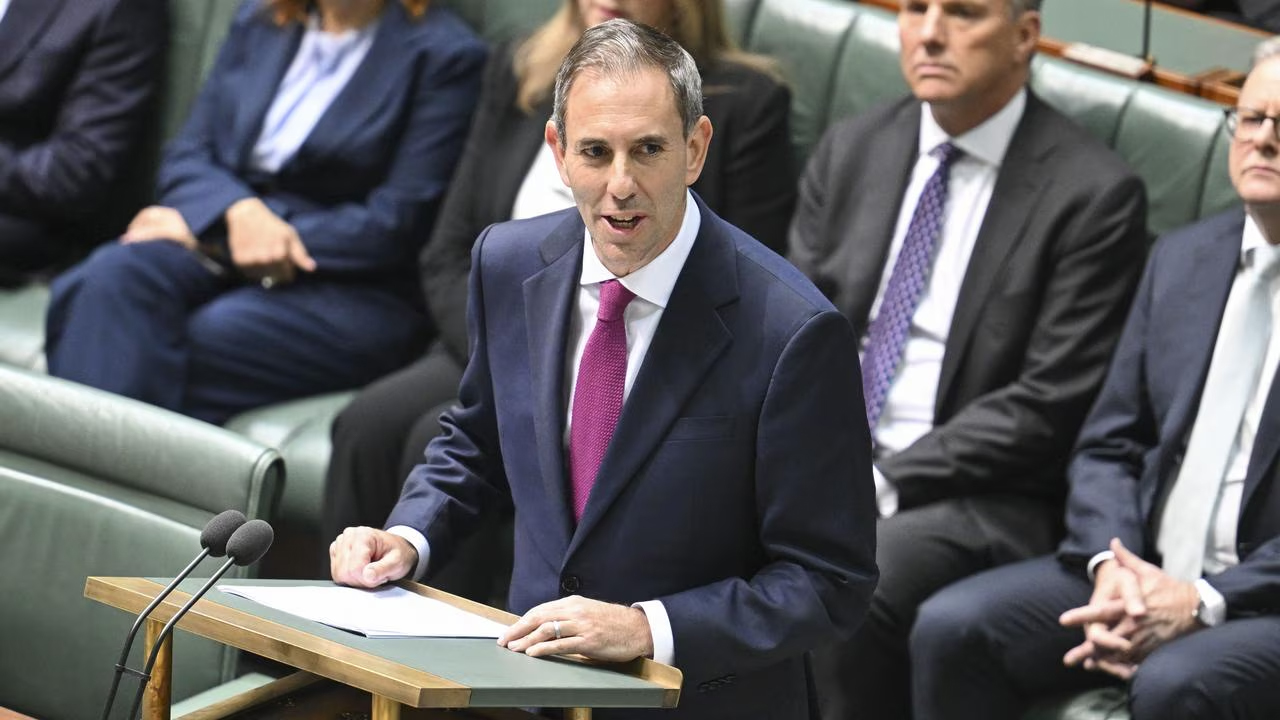
Australia's property market is entering a period of adjustment, and this week the message for South East Queensland buyers is more encouraging than the headlines might suggest. With tax reforms now passed affecting negative gearing, capital gains tax and self managed super fund lending, some investors are pausing to reassess. PRD chief economist Diaswati Mardiasmo has framed that shift as an opening rather than a setback, noting that as some investors step back, competition may ease across parts of the established market and give first home buyers and owner occupiers more room to act. For a region like ours, where demand fundamentals stay strong, that is a meaningful window.
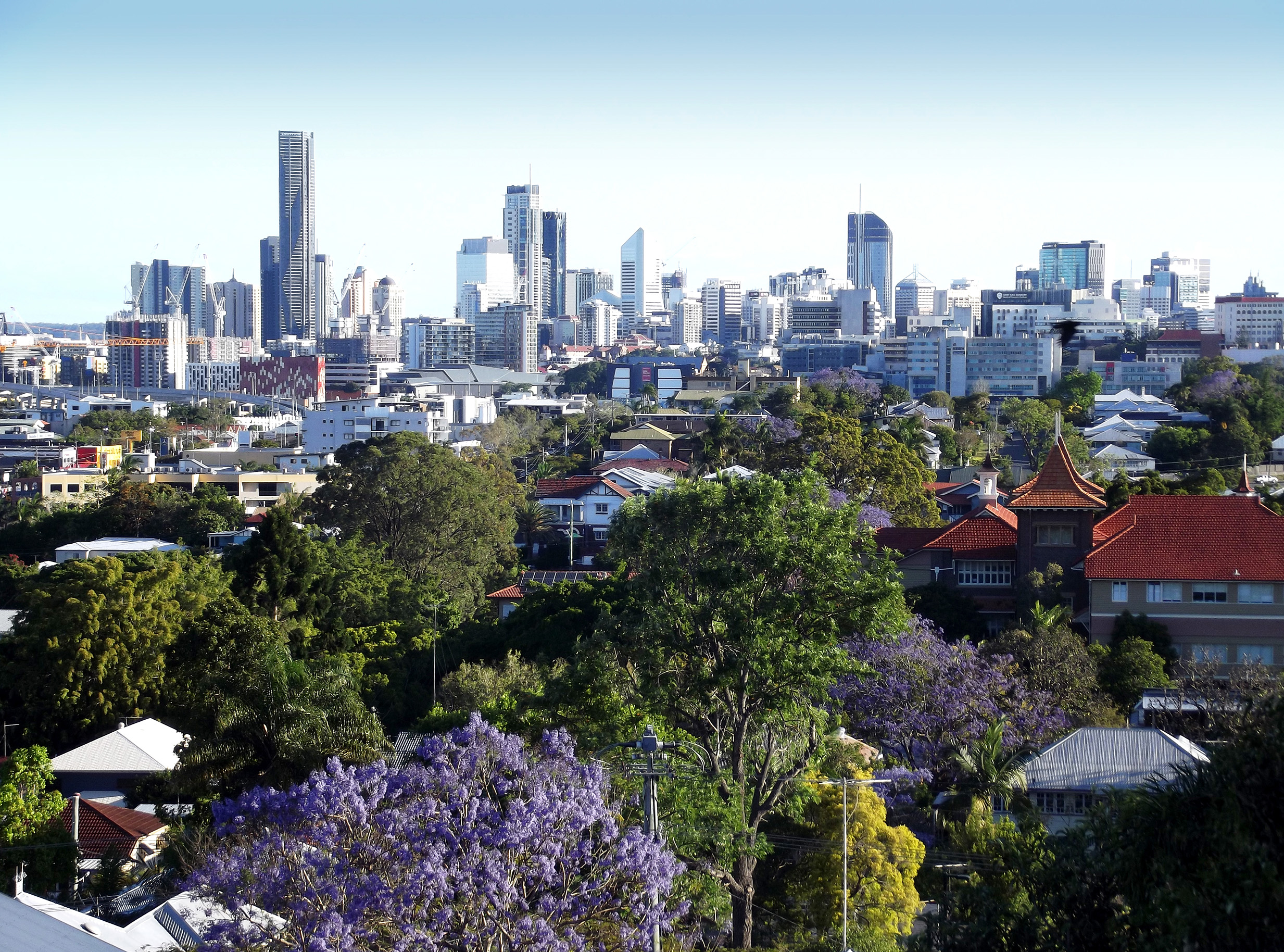
That confidence is grounded in how resilient the market has been. Investor lending accounted for 40.3% of new housing finance by value in the March quarter, the highest share since 2016. Even as total housing loan commitments fell 6.2% over the quarter, investors pulled back less sharply than owner occupiers. Conditions now vary widely across the country, with Melbourne and Sydney facing greater price pressure while Brisbane, Adelaide and Perth are expected to hold firmer. That resilience is exactly the story South East Queensland has been telling for some time, underpinned by steady interstate migration and comparatively strong value.
The reforms have prompted caution from industry groups, with the Property Council and the Housing Industry Association both warning the changes could weigh on supply and investment confidence at a time when more homes are needed. Yet for buyers on the ground, a more selective investor market can be an advantage. Investors are increasingly focused on fundamentals such as rental demand, vacancy rates and long term growth prospects, and those are areas where South East Queensland continues to perform. Low vacancies and consistent tenant demand across the region keep it firmly on the radar for anyone weighing a purchase.
Supply remains the tighter side of the equation. New data shows Australians are holding onto their homes for longer, with the typical national holding period now 11.7 years for houses and 10.3 years for units, and a handful of established suburbs stretching close to or beyond two decades. REA Group economist Luc Redman points to stable, middle ring areas with strong owner occupier appeal, where families settle and stay for the long haul. The lesson for South East Queensland is a familiar one. In tightly held pockets, well presented homes continue to attract strong interest simply because so little comes to market.
Underpinning all of it is the enduring role of property in building wealth. ABS figures show household wealth reached $19.2 trillion by the end of March, with net worth up 30% over the past three years, much of it driven by the value of land and dwellings. The median house price has risen more than 400% this century, a reminder of how powerful long term ownership has been. For those able to enter or move within the South East Queensland market, that long term trajectory remains one of the strongest cases for getting in and holding on.
Johnson Real Estate covers sales and rentals across South East Queensland. Call 1800 SELL SMARTRE, or email sellsmartre@johnsonre.com.au.
































.jpeg)

